Beginner view — everything explained simply.
Glepaglutid
A gut-hormone replica for short bowel syndrome — not a weight-loss drug and not yet approved
In 10 seconds
Glepaglutide (Zeydovio) is an investigational compound that mimics the gut hormone GLP-2. It's being researched in short bowel syndrome in adults — a rare, serious condition. In the EU, the CHMP committee recommended approval in 2026, but the final decision is still pending; in the USA, the FDA rejected it in 2024. So far, the compound is approved nowhere.
What is it, really?
Picture this: after a major bowel operation, too little intestine is left to absorb enough nutrients and fluid — this is called short bowel syndrome, and many affected people therefore need parenteral (intravenous) nutrition. GLP-2 is a hormone made by the body that lets the intestinal lining grow and work better. Glepaglutide is a long-acting replica of it, meant to support the remaining bowel in adapting. It is NOT a GLP-1 weight-loss compound like semaglutide.
In pictures
Structure

Target area
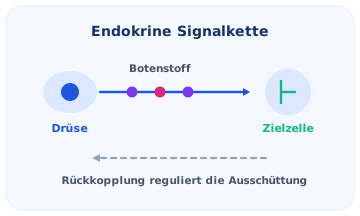
Short bowel syndrome with intestinal failure (under investigation)
Evidence
Animal studies
2/3
Human studies
2/3
Phase 3 data in humans exist — but no approval, and the FDA required another trial
What fans report
Claims — not proof
- Researchers' hope: to help adults with short bowel syndrome depend less on parenteral nutrition
- Sometimes confused with the GLP-1 weight-loss shots — but GLP-2 is something different and not a weight-loss remedy
- Offered as a “research peptide,” allegedly “for research purposes only” — even though it is tested exclusively in clinical trials
The reality check
What the facts say
- Approved nowhere: in the EU, the CHMP committee recommended approval in 2026 (as Zeydovio), but the final EU decision is still pending; in the USA, the FDA rejected it in 2024 and required another trial
- The benefit comes from a phase 3 trial in humans (EASE-1): mainly less parenteral nutrition, with no routine discontinuation — and only one of the two active-drug arms tested reached the main goal
- As a GLP-2 compound, it stimulates cell growth in the intestinal lining — with this class, polyps and other new growths, the gallbladder, the pancreas, and fluid overload, among other things, are carefully monitored
- Short bowel syndrome is a serious condition that relies on life-sustaining parenteral nutrition — self-experiments with grey-market goods can endanger it and are highly risky
- “Research chemical” powder is untested for identity, purity, content, and sterility
Risk assessment
Not because it would be harmless — but because it's approved nowhere, the data have not yet been conclusively confirmed by the authorities (the FDA required another trial), and grey-market self-medication is especially dangerous in this serious underlying condition.
Legal status: In clinical trials only · not approved
Bottom line
Glepaglutide is a serious hope for a rare, severe bowel disease — but not yet approved and not a weight-loss drug. Anyone living with short bowel syndrome discusses treatment and possible trials with their treating doctor.
No buying · No dosing · Just knowledge
This page informs — it is no substitute for medical advice. If this topic affects you, talk to a doctor.
Why safety matters