Beginner view — everything explained simply.
UBT251
The triple compound from China with a Novo Nordisk license — clear effects in short trials, but approved nowhere
In 10 seconds
UBT251 is an investigational compound for obesity and type 2 diabetes that addresses three hormone docking sites at once. It comes from a Chinese company; outside mainland China, Hong Kong, Macau, and Taiwan, Novo Nordisk is developing it further. It isn't approved anywhere — and all results so far come from short trials in China.
What is it, really?
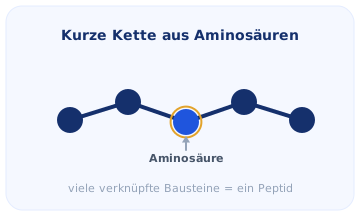
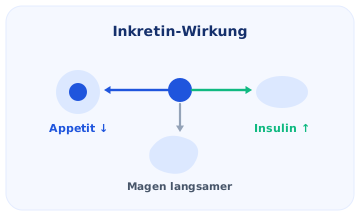
Picture a mixing desk with three sliders, all connected to appetite and metabolism. UBT251, a long-acting, chemically made peptide, pushes all three up at once: GLP-1 makes you feel full and slows stomach emptying, GIP supports insulin release, and glucagon is supposed to additionally boost energy expenditure. Eli Lilly's retatrutide follows the same principle. How far UBT251 pushes each individual slider, and exactly how the molecule is built, hasn't been publicly described.
In pictures
Structure
Target area
Obesity & type 2 diabetes (in trials)
Evidence
Animal studies
2/3
Human studies
2/3
Controlled human trials so far only from China, 24 weeks at most — phase 3 results still pending
What fans report
Claims — not proof
- The high weight-loss figure from a Chinese trial raises hopes for an especially strong weight-loss drug (early short-term result, no long-term proof)
- Researchers' hope: the glucagon building block is supposed to raise energy expenditure and stimulate fat breakdown in the liver, while GLP-1 and GIP are supposed to offset its blood-sugar-raising effect
- Hopes are pinned on benefits reaching far beyond the scale: trials on type 2 diabetes, chronic kidney disease, inflammatory fatty liver disease (MASH), and sleep apnea are underway or registered
The reality check
What the facts say
- Approved in no country: phase 3 on obesity and type 2 diabetes has been running in China since September 2026, while internationally Novo Nordisk is so far testing the compound only in phase 1b/2 and phase 2 trials
- Human results exist only from short trials (12 to 24 weeks) in China, much of it from company and conference communications: in phase 2, weight fell clearly more than with placebo, but long-term safety and keeping the weight off are unproven
- Gastrointestinal complaints were common, mostly mild to moderate. Risks known from related compounds, such as gallbladder or pancreas problems and a faster pulse, are to be expected here too, but have not been separately documented
- Because the stomach empties more slowly, the absorption of medicines taken by mouth, such as the birth control pill, can change — this is only now being examined in dedicated trials; there are no data on pregnancy and breastfeeding
- What is offered as “UBT251” outside registered trials is grey-market goods: nobody checks contents, purity, and sterility, and the original molecule isn't fully disclosed — in sport, UBT251 is also banned (WADA S0)
Risk assessment
“Unclear” here does not mean free of danger, but this: so far there are only results from short, manufacturer-sponsored trials in China, so long-term safety, rare side effects, and the consequences of the glucagon component can't yet be assessed.
Legal status: In clinical trials only · not approved
Bottom line
First human trials showed clear weight loss — but such short data from just one country aren't enough as proof, and an approval would be conceivable at the earliest after the ongoing phase 3 programs. Anyone who wants to lose weight or has diabetes is best off getting advice from a doctor.
No buying · No dosing · Just knowledge
This page informs — it is no substitute for medical advice. If this topic affects you, talk to a doctor.
Why safety matters